
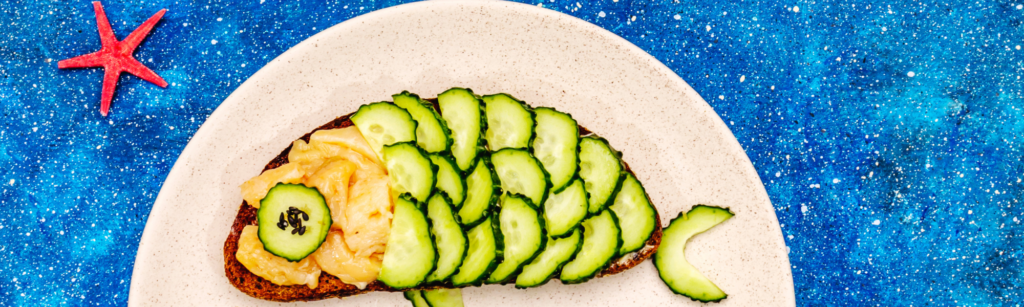
How to Introduce Fish and Shellfish to Your Baby
Introducing fish and shellfish to your baby can feel a little intimidating. Maybe seafood isn’t something you cook often, you’re unsure which types are best for babies, or the thought of serving a common allergen has you feeling extra cautious. I get it! The good news is, it doesn’t have to be complicated. Your baby’s brain grows incredibly fast during these early years, roughly doubling in volume during the first year and reaching about 80% of its adult volume by age 2! Whoa!
With so much growth happening in such a short amount of time, nutrients like omega 3 fats, especially DHA, are so important. Fish is one of the best food sources of DHA and also provides protein, iron, zinc, and other important nutrients.
In this guide, I’ll walk you through which fish and shellfish to offer, how to prepare them safely for your baby’s age, and simple ways to make seafood part of your family meals.
When Can Babies Eat Fish and Shellfish?
Fish and shellfish can be introduced around 6 months of age, once your baby is developmentally ready for solids. There’s no benefit to delaying seafood, even if allergies run in your family. In fact, introducing common allergens during infancy may help support the development of food tolerance.
Should My Baby Be Evaluated Before Trying Fish or Shellfish?
Most babies can safely try fish and shellfish at home.
However, talk with your pediatrician or an allergist before introducing them if your baby:
- Has severe eczema
- Has a diagnosed food allergy
- Has had a previous allergic reaction to another food
They may recommend introducing these foods under medical supervision.
Fish vs. Shellfish: What's the Difference?
Although they’re often grouped together as “seafood,” fish and shellfish are DIFFERENT allergens so you must introduce them separately.
Fish (also called finned fish) include:
- Salmon
- Cod
- Trout
- Tilapia
- Sardines
- Tuna
Shellfish include two groups, crustaceans and mollusks, but only the crustaceans are considered a top allergen groupl.
Crustaceans
- Shrimp
- Crab
- Lobster
Mollusks
- Clams
- Mussels
- Scallops
- Oysters
Okay, here’s a little nuance worth mentioning. In the U.S., crustacean shellfish are considered a major food allergen, while mollusks are not. However, mollusks are recognized as a major allergen in other parts of the world, including the UK and European Union.
How to Serve Fish and Shellfish Safely
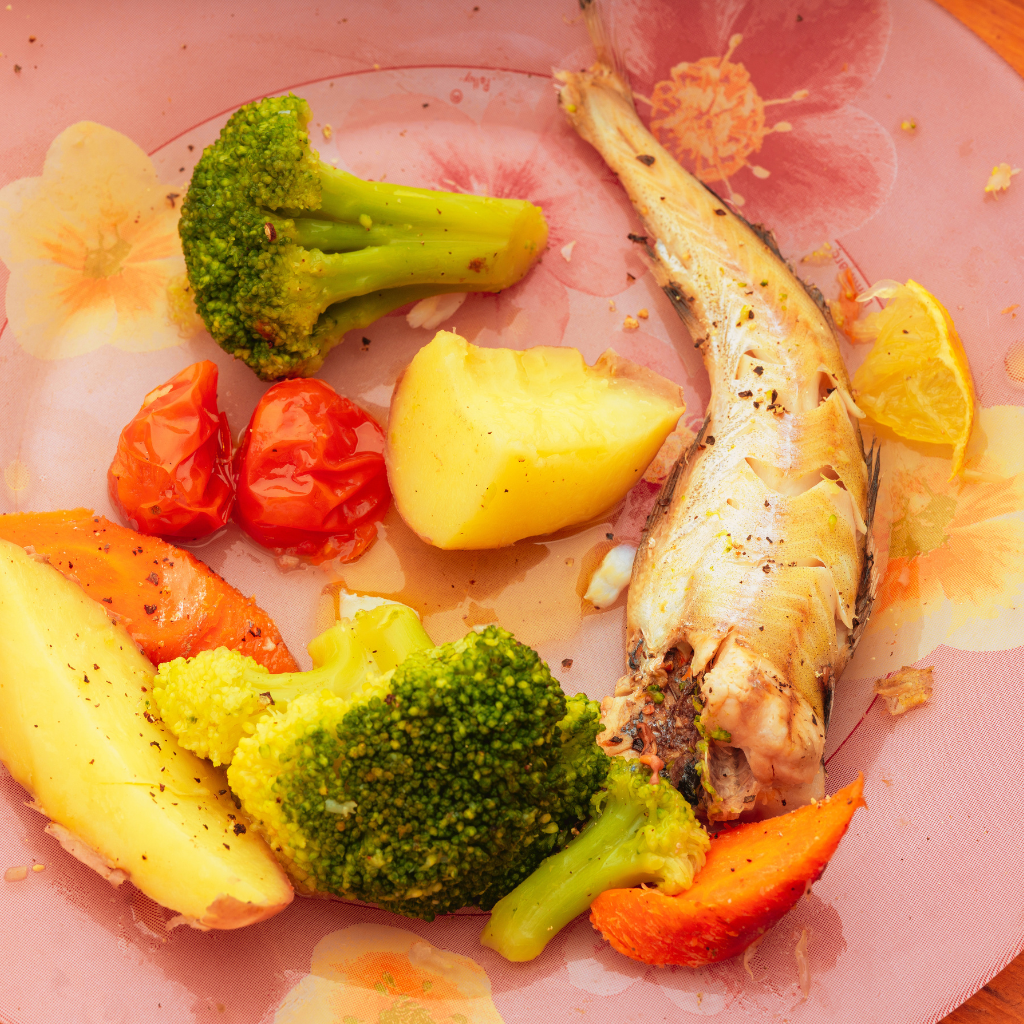
Always cook seafood thoroughly and remove all bones, shells, and cartilage before serving. Safe serving ideas include:
- Flaked baked or steamed salmon
- Soft baked cod (try this poached cod with creamy orzo)
- Mashed sardines mixed into avocado, yogurt, or rice
- Fish cakes or patties (try these shrimp patties and salmon balls)
- Finely chopped shrimp
- Minced crab mixed into rice or pasta
- Chopped scallops
- Seafood mixed into mashed vegetables
Avoid serving raw or undercooked fish or shellfish.
How Much Should I Offer?
Start with tiny portions. If your baby tolerates it well, continue offering more according to their appetite.
What Does a Fish or Shellfish Allergy Look Like?
Most allergic reactions happen within minutes to two hours after eating.
Mild symptoms
- Hives
- Red rash
- Swelling around the lips or face
- Vomiting
Severe symptoms (Call 911 immediately)
- Difficulty breathing
- Wheezing
- Swelling of the tongue or throat
- Persistent coughing
- Pale or blue skin
- Extreme sleepiness or limpness
- Loss of consciousness
Seek emergency medical care immediately if your baby develops severe symptoms.
Do I Need to Wait Three Days Before Introducing Another Allergen?
No. For most babies, there’s no need to wait three days between introducing allergens. In fact, doing so can unnecessarily limit variety during this important window of food exploration.
Instead, introduce one allergen at a time so that if your baby has a reaction, it’s easier to identify the cause. Once fish or shellfish has been tolerated, continue offering it regularly while gradually introducing the other common allergens.
Should I Keep Offering Fish and Shellfish?
Yes! Successfully introducing seafood is just the first step. Once your baby has tolerated fish or shellfish, continue including them regularly as part of your family’s meals. Offering a variety of seafood over time not only helps maintain tolerance but also exposes your baby to different flavors, textures, and nutrients. Aim to choose lower-mercury fish and shellfish most often, such as:
- Salmon
- Sardines
- Trout (freshwater)
- Tuna, canned light (includes skipjack)
- Cod
- Tilapia
- Flounder
- Clam
- Crab
- Scallop
- Shrimp
- Lobster
- Oyster
Here’s a handy FDA guide to the best fish choices and which ones to avoid.
FAQs
Farmed vs. Wild-Caught Fish: Which Is Better?
Both farmed and wild-caught fish can be healthy choices for babies. Rather than focusing on which is “better,” it’s more important to choose fish that are low in mercury and offer them regularly as part of a varied diet.
Nutritionally, the differences between farmed and wild-caught fish depend on the species. For example, farmed Atlantic salmon often contains more omega-3 fats because of its feed, while wild salmon is typically leaner. Both provide high-quality protein and important nutrients like DHA, iodine, selenium, and vitamin D.
Farmed fish in the United States and many other countries are also subject to strict food safety regulations, making them a safe option for families.
The bottom line: Don’t feel like you have to buy wild-caught fish to give your baby a nutritious meal. Whether you choose farmed or wild-caught, serving a variety of lower-mercury fish, such as salmon, sardines, cod, or tilapia, is what matters most.
Should I avoid fish because of mercury?
No. Fish offers many important nutrients for babies. Simply choose lower-mercury fish most often and avoid high-mercury varieties such as shark, swordfish, king mackerel, marlin, orange roughy, tilefish (from the Gulf of Mexico), and bigeye tuna.
Can babies eat canned fish?
Yes. Canned salmon and sardines are excellent options. Choose varieties with no added salt when possible, and always check carefully for bones.
What if my baby doesn’t like fish or shellfish?
That’s completely normal. Babies often need multiple exposures before accepting a new food. Keep offering it occasionally in different preparations without pressure.