Blog

FILTER BY AGE GROUP:

FILTER BY TOPIC:

Depression in teenagers is, as ever, a growing concern. According to data from 2023 highlighted by the American Psychiatric Association, 18% of adolescents aged 12-17 experienced a major depressive episode over the previous year (source). Understanding the signs of teenage depression is essential for parents, caregivers, and educators to seek or provide the necessary support or treatment.

In this article, we explore the emotional, behavioral, and physical signs of depression in teens in order to provide caregivers with a thorough understanding of its symptoms, as well as guidance on when it’s appropriate to seek professional help.
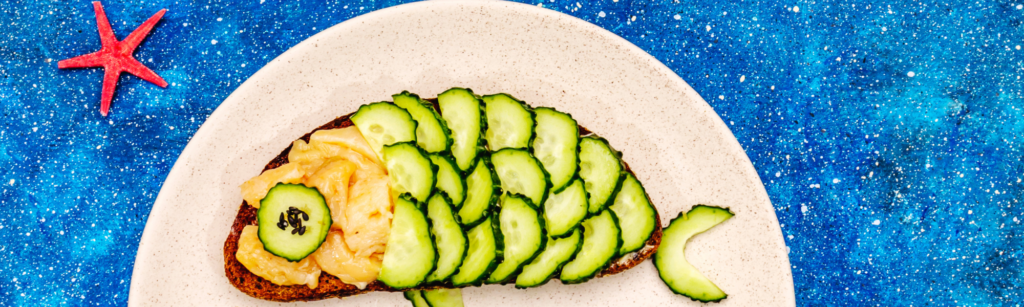
Introducing fish and shellfish to your baby can feel a little intimidating. Maybe seafood isn’t something you cook often, you’re unsure which types are best for babies, or the thought of serving a common allergen has you feeling extra cautious. I get it!

The good news is, it doesn’t have to be complicated. Your baby’s brain grows incredibly fast during these early years, roughly doubling in volume during the first year and reaching about 80% of its adult volume by age 2! Whoa!
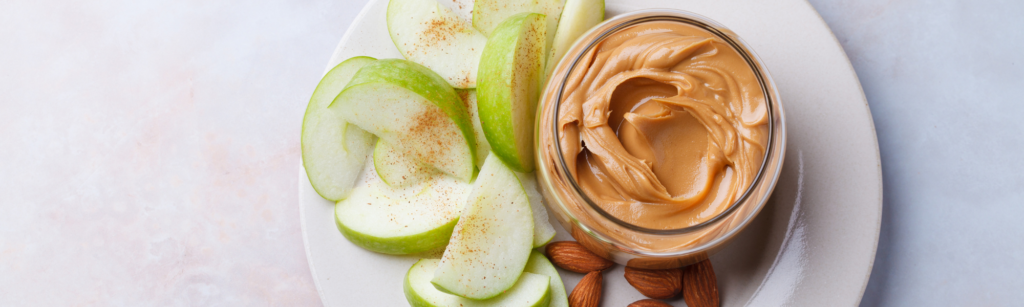
Okay, let's talk about the peanut thing. I know it can feel scary. You've probably heard a hundred allergy horror stories. But here's some good news! Giving your baby peanut early on, instead of avoiding it, may actually help lower their risk of an allergy, just like we talked about with eggs and dairy.

As a pediatric dietitian, I know this first taste feels huge. It's not. Your baby doesn't need to eat much, just enough for their immune system to say "oh, I know this one!"
Watching your child grapple with any of these symptoms can be difficult, and you may not know what the best next step is. Youʼre not alone. Itʼs common for parents to have trouble knowing which challenges may be considered standard for their childʼs age and circumstances, and which ones might be more significant or require more support.

Read on to learn more about common school-related mental health struggles, how to recognize signs of mental health challenges in kids, and steps you can take to encourage and support your child with whatever theyʼre going through.
Yogurt, cheese, milk…dairy brings up a lot of "wait, is this okay?" moments for parents introducing solids. And it's a fair question, especially since cow's milk as a drink should wait until after your baby's first birthday, but yogurt and cheese can be offered once your baby is ready for solids.

Here's some good news to ease the overwhelm! Research now points toward introducing allergens early, including eggs (link to the blog post) and dairy, rather than playing the waiting game. Early introduction may actually help lower your baby's risk of a milk allergy, and dairy also packs in nutrients your baby needs for healthy growth.
If there's one food that sends parents into a slight panic, it's eggs. Trust me, I get it! For years we were told to hold off on common allergens like eggs and peanuts, so it feels almost backwards to hear the opposite now.

But guess what? Research has flipped the script. Introducing eggs early in your baby's first year may actually help lower their risk of developing an egg allergy, not raise it. That's why the American Academy of Pediatrics (AAP), the USDA Dietary Guidelines, and allergy experts now all agree that earlier is better than later.
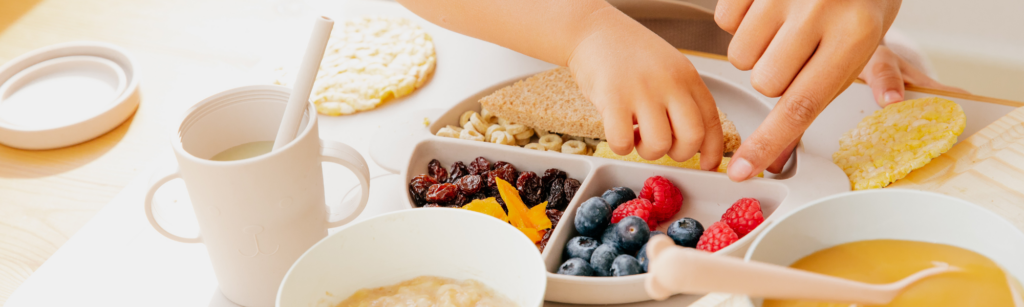
Starting solids is a moment many parents look forward to—and one that can bring a wave of questions. You might find yourself wondering: Is my baby ready? Should I start with purées or finger foods? What if they gag? What if they don’t like it?

Take a breath. You’re not alone, and you’re doing great.

At Treehouse Pediatrics, we’re here to guide you through this exciting stage with confidence, encouragement, and a bit of mess-friendly realism.
While swimming is a fantastic way for children to stay active and build confidence, it’s important to remember that drowning remains one of the leading causes of accidental injury-related deaths among children. The good news is that most water-related tragedies are preventable with the right precautions. Here are some simple but important ways to keep your children safe around water this summer.

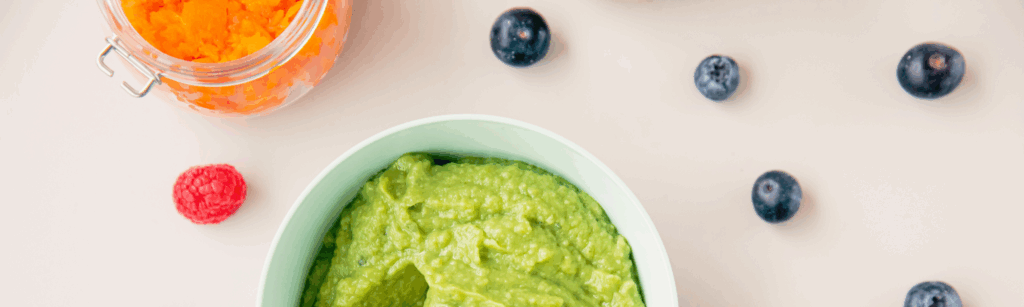
Iron for Babies: How to Make Sure Your Baby Gets Enough After Starting Solids Everything parents need to know about baby iron needs, from daily requirements to easy iron-rich meal ideas for babies 6–12 months. by Min Kwon, MS, RDN If there’s one nutrient that deserves a little extra attention when your baby starts solids, […]

The Best Milk for Toddlers: What to Offer After Age One How much milk toddlers need, which options support healthy development, and what to skip after age one. by MJ and Hungryman If you’ve ever wondered whether you’re choosing the right milk for your toddler, you’re not alone. Between well-meaning advice, bold marketing claims, and […]