
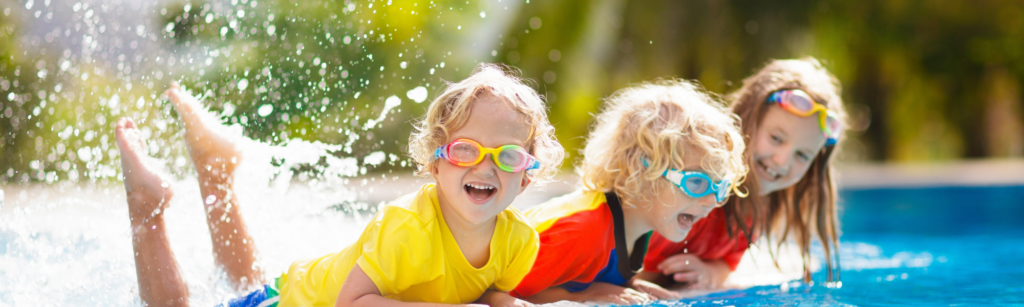
summer swim safety tips every parent should know
Whether your family is heading to the neighborhood pool, taking swim lessons, spending time at the lake, or enjoying a backyard splash pad, water safety should always be a top priority.
While swimming is a fantastic way for children to stay active and build confidence, it’s important to remember that drowning remains one of the leading causes of accidental injury-related deaths among children. The good news is that most water-related tragedies are preventable with the right precautions. Here are some simple but important ways to keep your children safe around water this summer.
Designate a Water Watcher
One of the biggest misconceptions about drowning is that it is loud and obvious. In reality, drowning is often silent and can happen in a matter of seconds. Whenever children are in or near water, assign one responsible adult to be the designated “Water Watcher.” This person should focus solely on supervising swimmers. That means no phones, reading, conversations, or other distractions. Even when lifeguards are present, parents and caregivers remain the first line of defense.
Stay Within Arm's Reach
For infants, toddlers, and young children, experts recommend maintaining “touch supervision,” meaning an adult should be close enough to reach the child immediately if needed. This is especially important around pools, lakes, rivers, bathtubs, and splash pads. Remember that children can drown in surprisingly small amounts of water.
Enroll Children In Swim Lessons
Formal swim lessons can significantly reduce a child’s risk of drowning. Learning basic water skills helps children become more comfortable and confident in the water while teaching important safety habits. Keep in mind however, that swim lessons are not a substitute for supervision. Even strong swimmers should always be monitored around water.
Choose Life Jackets Over Floaties
Many parents are surprised to learn that inflatable arm bands, water wings, and other flotation toys are not safety devices. These products can slip off or create a false sense of security.
When boating or spending time in open water, choose a properly fitted U.S. Coast Guard-approved life jacket for your child. Life jackets provide much better protection than inflatable flotation devices.
Secure Home Pools
If you have a pool at home, multiple layers of protection are essential. Experts recommend:
- A four-sided fence that completely surrounds the pool
- Self-closing, self-latching gates
- Locked pool access points
- Pool alarms or additional safety barriers
- Removing toys from the pool area when not in use
These measures help prevent children from accessing the pool unexpectedly.
Protect Against Sun and Heat
Water safety isn’t just about preventing drowning. Long hours outdoors can increase the risk of dehydration, heat exhaustion, and sunburn. Before heading outside, remember to:
- Apply broad-spectrum sunscreen and reapply regularly
- Encourage frequent water breaks
- Take shade breaks throughout the day
- Dress children in sun-protective clothing when possible
- Watch for signs of overheating, including dizziness, fatigue, or nausea
Keeping kids hydrated is especially important during the hot Texas summer months.
Prevent Swimming-Related Illnesses
Pools, splash pads, lakes, and other water venues can sometimes spread germs that cause illness. To help keep your family healthy, it’s recommended to:
- Avoid swimming when your child has diarrhea
- Encourage children not to swallow pool or lake water
- Shower before entering the pool when possible
- Take bathroom breaks regularly
- Wash hands after swimming
These simple habits can help reduce the risk of stomach illnesses, skin irritation, swimmer’s ear, and other water-related infections.
Learn CPR
Every parent, grandparent, babysitter, and caregiver should consider learning CPR. In a water emergency, immediate action can make a lifesaving difference while waiting for emergency responders to arrive. We invite you to enroll in Treehouse Pediatrics’ upcoming CPR & Choking Training for Parents & Babysitters course on Saturday, June 27 at 1:00pm at the Treehouse Pediatrics office. Many local organizations, including the American Red Cross and community health programs also offer CPR certification courses throughout the year.
Enjoy a Safe Summer in the Water
Swimming is one of the best parts of summer, and with a few simple precautions, families can enjoy the water safely and confidently. Constant supervision, swim lessons, life jackets, pool barriers, and healthy swimming habits all work together to help prevent accidents and keep children safe.
If you have questions about swim readiness, water safety, or your child’s health this summer, the team at Treehouse Pediatrics is here to help. We wish all of our patient families a fun, active, and safe summer season!